Green Design
Green Design
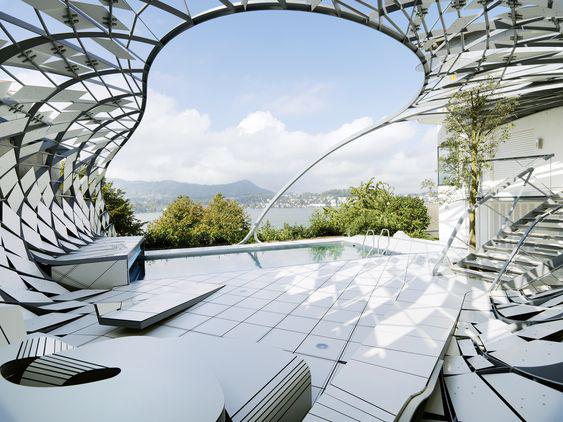
Green architecture, or green design, is an approach to building that minimizes the harmful effects of construction projects on human health and the environment. The "green" architect or designer attempts to safeguard air, water, and earth by choosing eco-friendly building materials and construction practices.
Green architecture focuses on several different environmentally friendly building principles that all aim to have minimal impact on the environment throughout the construction process. Many of these principles are in line with the LEED certification framework, which is the most widely used green building rating system in the world as it provides a framework for healthy, highly efficient, and cost-saving green buildings.
These apply to eco-friendly house designs as well as industrial/corporate structures and include:
- Ventilation systems and insulation to enhance heating and cooling efficiency
- Energy efficient systems and appliances
- Plumbing solutions that save water
- Indigenous vegetation and materials for landscaping
- Use of renewable energy sources like solar, wind or geothermal energy
- Use of materials that are locally, ethically and responsibly sourced. These include materials like wood, stone and aluminium
- Repurposed and recycled material that will not have an impact on the environment
- Rainwater harvesting and greywater use based solutions
- Utilising local communities and companies for building resources
- Design that makes use of natural light and facilitates airflow
- Cost saving building approaches that make sense for the area
Benefits of Green Architecture
There are a number of different benefits associated with green architecture, many of which overlap with sustainable architecture. These include:
Environmental benefits:
- Preservation of the natural environment and ecosystems in which the building is being constructed in
- Conservation and responsible use of natural resources like water
- Waste reduction
- Reducing the carbon footprint associated with building
- Reduction of waste streams
Economic benefits:
- Reduced operating costs due to energy savings
- Enhanced employee productivity and performance
- Increased asset value of the property
- Minimise the impact on local utility infrastructure
Social benefits:
- Positively impact the Indoor Environmental Quality (IEQ) of the people who occupy the building to enhance health, comfort, wellbeing and productivity
- Improved indoor air quality and flow
- Enhance the quality of life for residents and occupants living or working in the building
Have a look at some of the work we've done
PortfolioWhat’s Happening
Checkout what we have been doing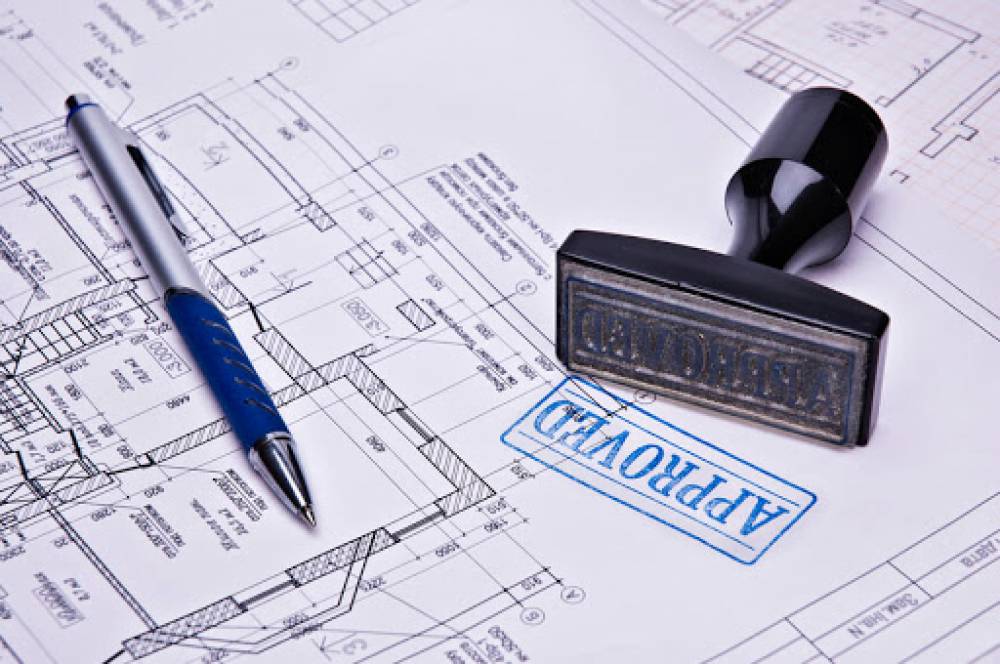
Building plan approval fees
How much will it cost for me to submit my building plans? – The saying “how long is a piece of string?’ comes to mind.
Read MoreKMTK Group
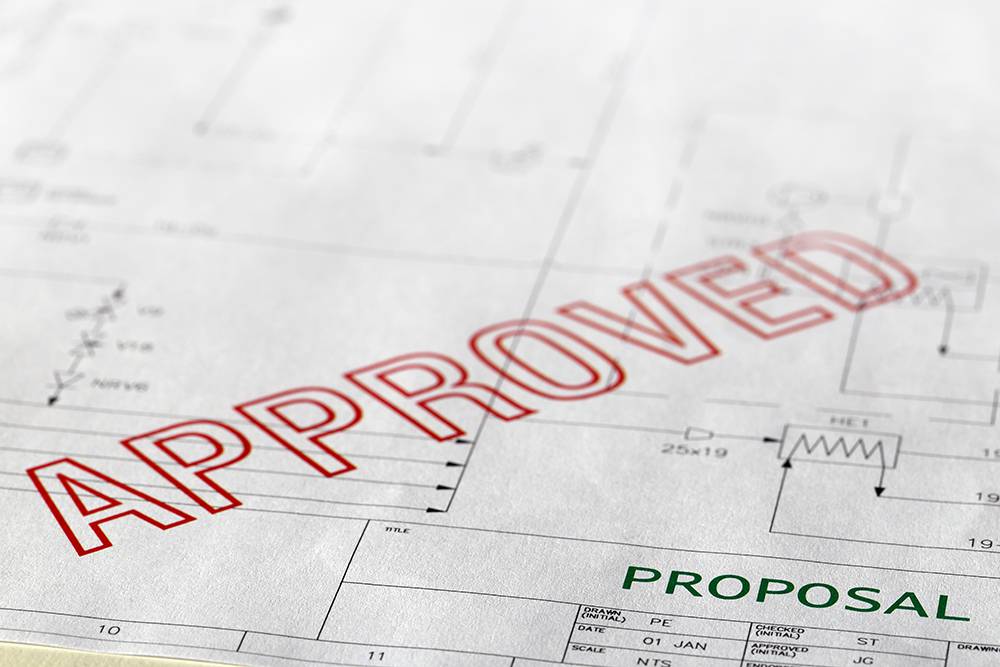
Building plans & Local Authority Submissions
In South Africa, Local Authorities (municipalities i.e Johannesburg Metro Link) administer building plans approval.
Read MoreKMTK Group
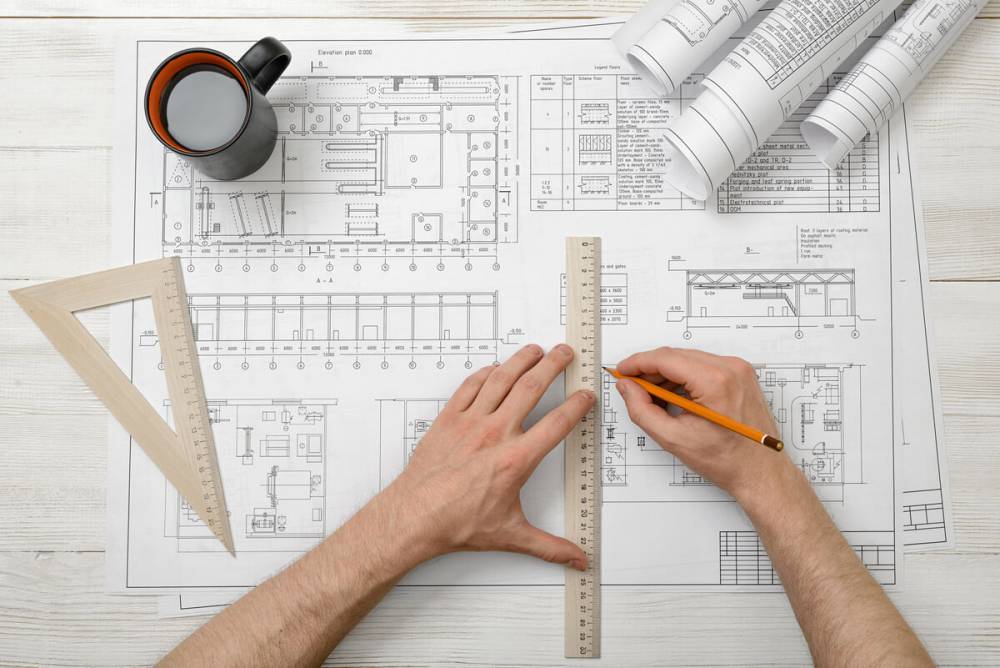
Drafting plans
If you are not sure of what you want, then an Architectural Draftsman can help give you ideas and guide you in the right direction and produce drafting plans.
Read MoreKMTK Group